Everyday Shoes in Transition: When Lifestyle Shapes Design

Everyday Shoes in Transition: When Lifestyle Shapes Design
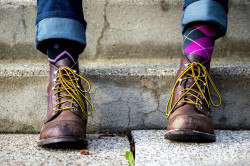
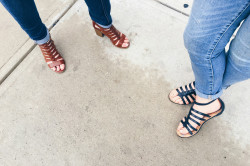
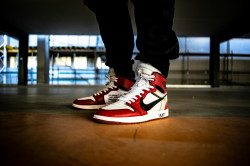
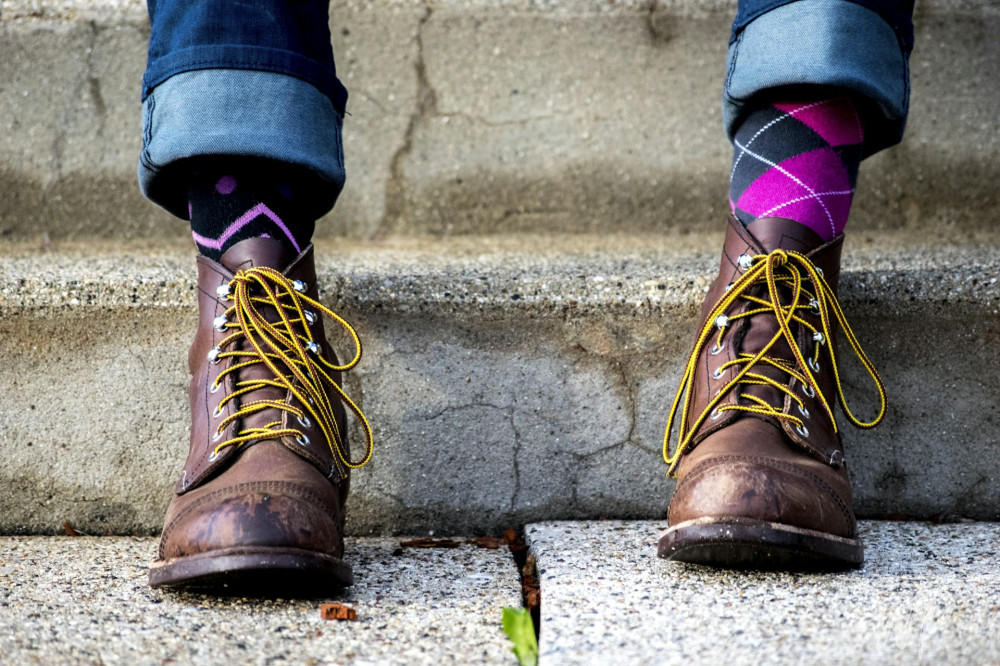
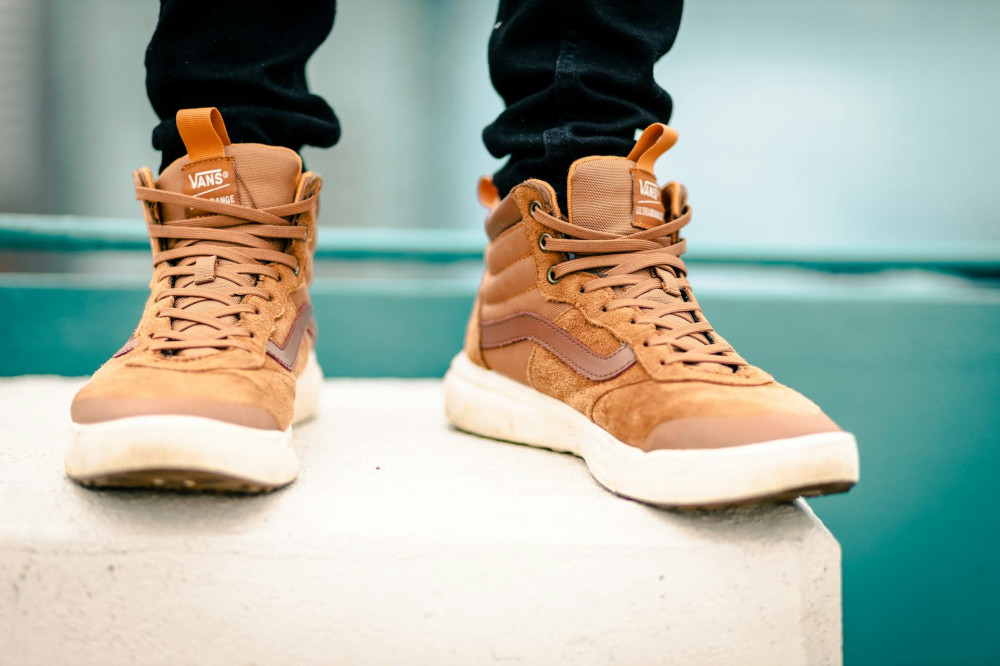
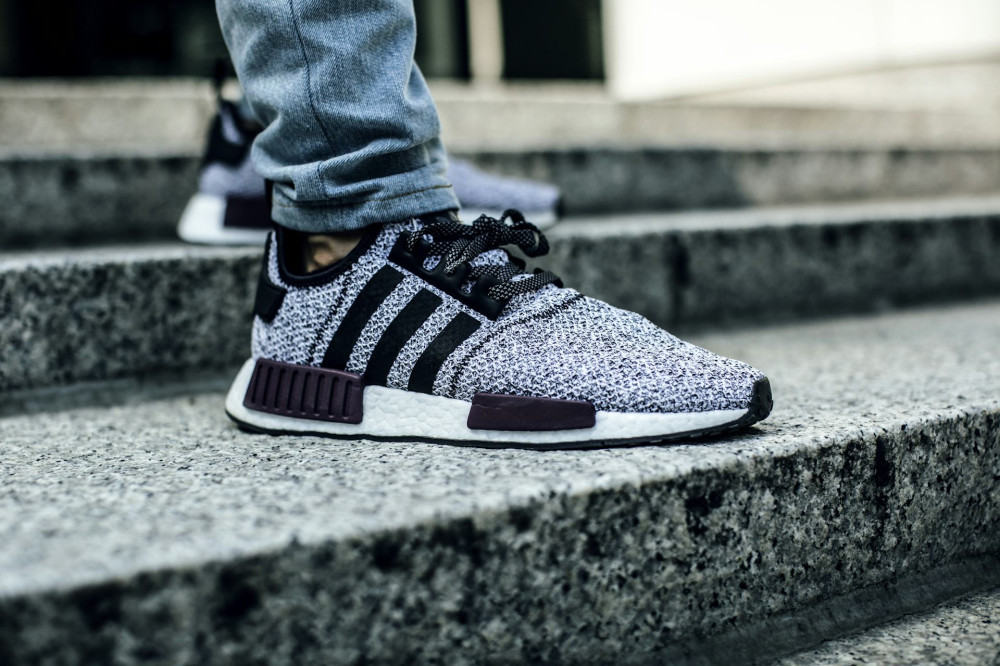
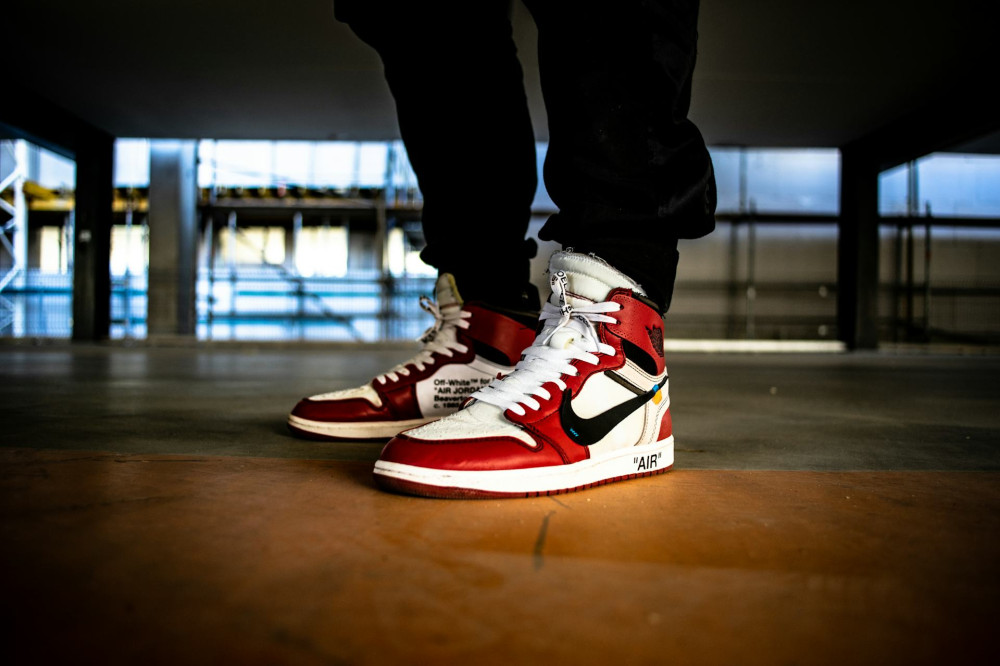
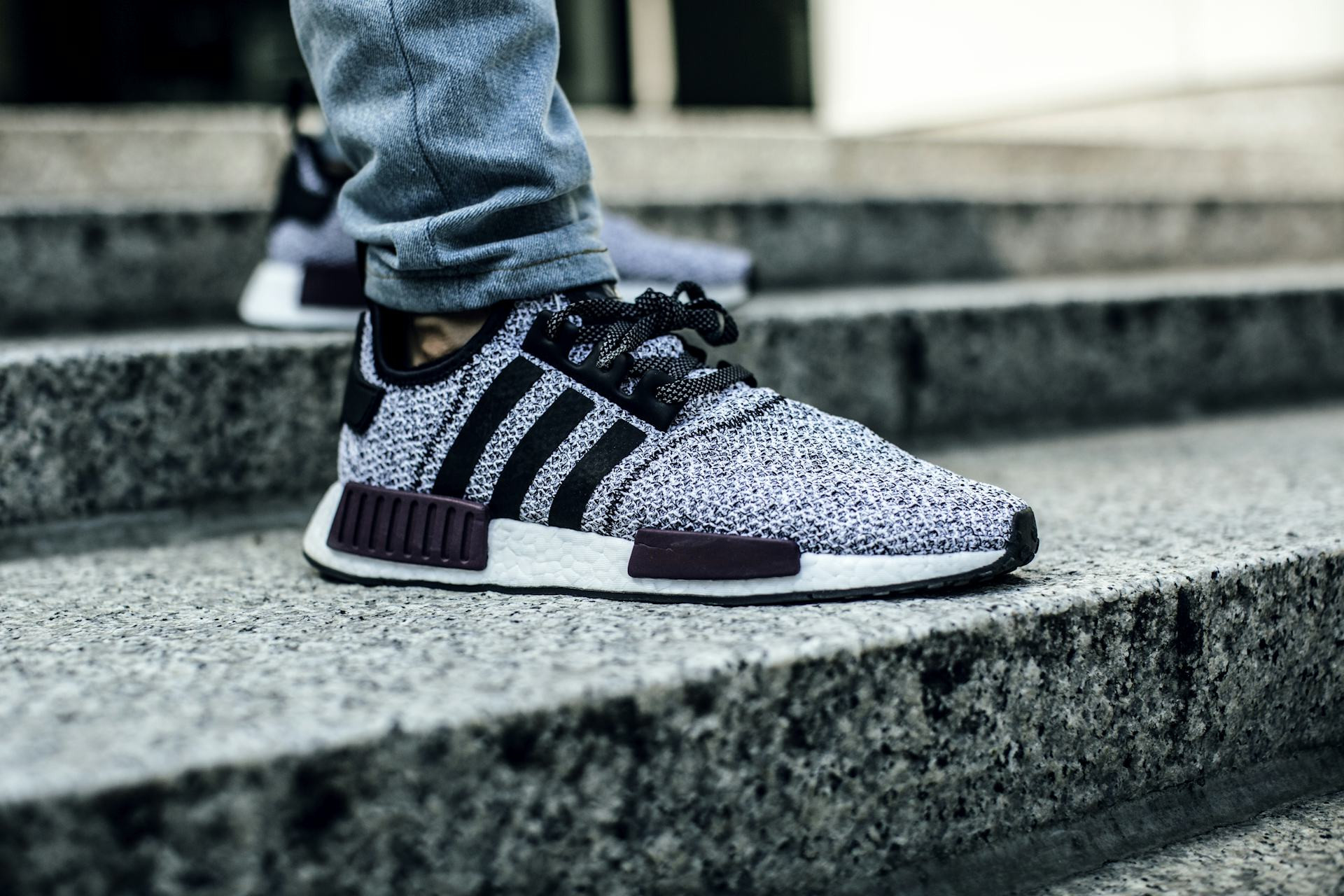
Sneakers, loafers, sandals, and boots — everyday shoes come in countless forms, but they all share one thing: they increasingly reflect how we live. Where footwear once followed strict lines of function and fashion, it now mirrors our routines, values, and identities. From remote work and sustainability to technology and self-expression, the shifts in American lifestyles are leaving clear footprints in shoe design.
From Office Shoes to Everyday Comfort
A decade ago, showing up to the office in sneakers might have raised eyebrows. Today, it’s practically expected. The move from formal leather shoes to more relaxed styles is closely tied to changes in work culture. Flexible schedules, hybrid offices, and a growing emphasis on well-being have made comfort a non-negotiable.
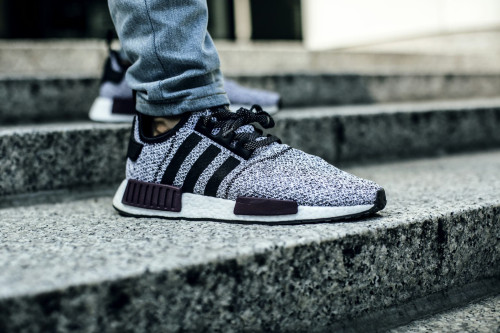
Designers now talk about “hybrid shoes” — models that blend the polished look of dress shoes with the cushioning and flexibility of athletic footwear. The result is a shoe that transitions seamlessly from a client meeting to a walk through the city. Comfort is no longer a luxury; it’s a standard.
Læs også:
Sustainability as a Design Driver
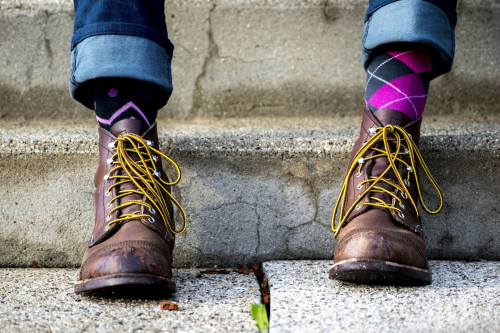
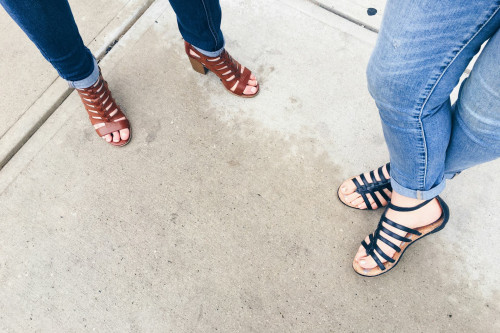
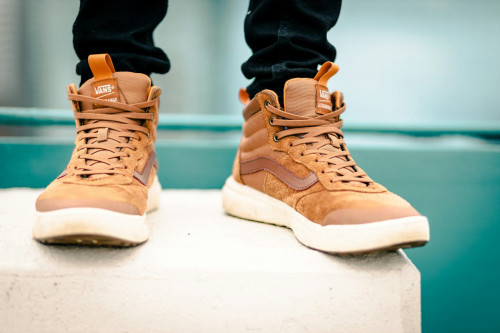
Environmental awareness has become a major force in footwear design. American consumers are asking for transparency, and brands are responding with new materials and production methods. Recycled rubber, plant-based leather, and shoes designed for disassembly and recycling are moving from niche to mainstream.
At the same time, the “buy less, buy better” mindset is gaining traction. Many people are investing in fewer pairs that last longer — both in durability and style. This has led to a resurgence of timeless silhouettes, neutral tones, and craftsmanship. The sustainable shoe isn’t just eco-friendly; it’s built to endure.
Technology at Your Feet
Technology is reshaping what everyday shoes can do. 3D-printed soles, smart insoles that track steps and pressure, and adaptive materials that mold to the wearer’s foot are redefining comfort and performance.
But innovation isn’t only about function — it’s also about personalization. Digital tools now allow customers to design their own shoes, choosing colors, materials, and details to match their lifestyle. In a culture that values individuality, customization has become part of the comfort equation.
The Rhythm of Modern Life
American life moves fast and blends boundaries. We shift between work, errands, workouts, and social time — often without changing shoes. That demands versatility. Today’s designs must handle a morning commute, a standing desk, and dinner with friends, all in one pair.
This has led to a rise in multifunctional footwear that merges sport, fashion, and practicality. A shoe must now keep up with a life in motion — and express who we are while doing it. It’s not just about matching an outfit; it’s about matching a lifestyle.
Tradition Meets Change
Even as innovation drives the market, tradition still matters. Iconic brands are reimagining their classics with modern materials and sustainable updates. The result is a balance between nostalgia and progress — between what’s familiar and what’s forward-looking.
For many consumers, that balance is key: finding shoes that feel right for both body and conscience. Everyday footwear has become a symbol of how we want to live — practical, mindful, and personal.
A Mirror of the Times
Look closely at the evolution of everyday shoes, and you’ll see a reflection of society itself. Our values, habits, and priorities are all embedded in the soles we wear. From the home office to the city sidewalk, from the runway to the hiking trail, our shoes trace the story of change.
And perhaps that’s why the modern everyday shoe feels so right: it’s designed for a life in motion, where comfort, responsibility, and style walk side by side.
Læs også: