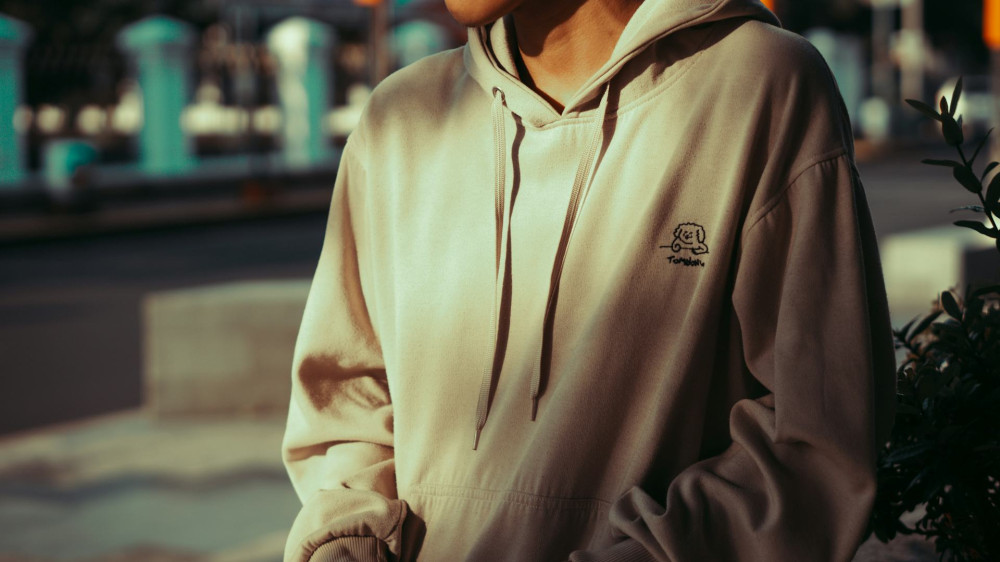
Find the fit that highlights the best of your shirt and your style

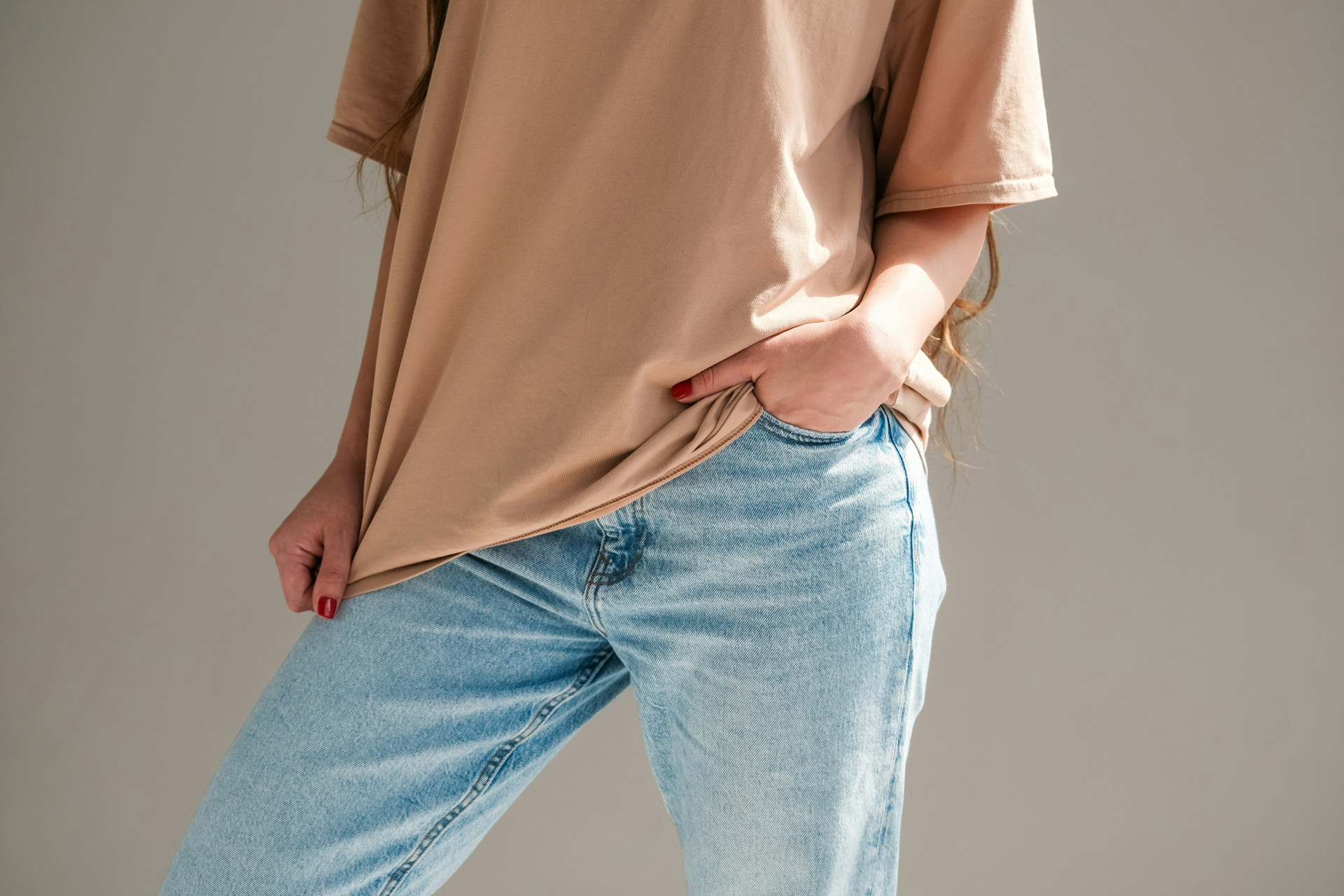
Find the fit that highlights the best of your shirt and your style
A shirt can do much more than simply cover you up. It can express your personality, define your style, and bring balance to your outfit. But for that to happen, the fit has to be right. A good fit isn’t just about size—it’s about proportions, cut, and how the fabric drapes on your body. Here’s a guide to finding the fit that highlights the best of both your shirt and your style.
Know your body shape
The first step toward the perfect fit is understanding your body shape. It’s not about changing anything—it’s about knowing how different cuts work with your proportions.
- Rectangular shape: Shoulders, waist, and hips are roughly the same width. Look for shirts that create some shape—like those with a tapered waist or ribbed hem.
- Triangular shape: If your shoulders are narrower than your hips, shirts with structure or details at the shoulders can help balance your frame.
- Inverted triangle: Broad shoulders and narrower hips? Choose shirts with simple shoulders and a bit more volume around the waist.
- Oval shape: Go for shirts that are relaxed but not oversized, ideally with vertical lines that elongate your silhouette.
Knowing your body shape makes it easier to choose shirts that feel comfortable and look well-proportioned.
Choose the right size—not just what the tag says
Sizes can vary widely between brands, so always try the shirt on before deciding. A shirt that’s too tight can pull at the seams and lose its shape, while one that’s too loose can look sloppy.
A good rule of thumb: check the shoulder seams—they should sit right at the edge of your shoulders. Sleeves should end at your wrist bone, and the length should suit how you plan to wear it—shorter for high-waisted pants, longer for jeans or layering.
Fabric matters more than you think
Fit isn’t just about cut—it’s also about fabric. Cotton, linen, and blends all behave differently on the body.
- Cotton offers structure and breathability, perfect for everyday wear.
- Linen gives a relaxed, airy fit that’s ideal for warmer weather.
- Blends with stretch (like cotton-spandex) provide flexibility and a closer fit without feeling restrictive.
Think about when and how you’ll wear the shirt—whether you want something crisp and polished or soft and casual. The fabric can make all the difference.
Læs også:
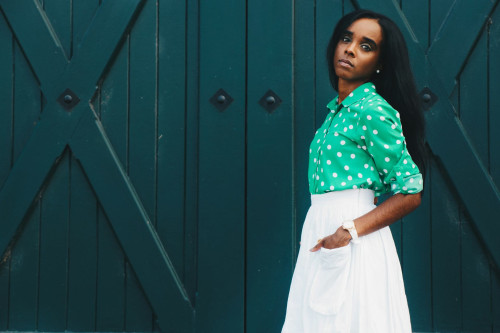


Cut and details that make an impact
Small design choices can completely change how a shirt looks on you. A crew neck gives a classic, laid-back vibe, while a V-neck elongates the neck and feels a bit dressier. A button-down collar adds structure, and a henley neckline gives a relaxed, modern touch.
Details like stitching, pockets, and patterns also influence how the shirt complements your shape. For a more tailored look, go for clean lines and minimal detailing. For a softer, more casual feel, try looser cuts or textured fabrics.
Fit and style—finding your balance
Your shirt should fit not only your body but also your personal style. If you lean minimalist, a well-fitted shirt in neutral tones might be your go-to. If you’re more expressive, experiment with oversized fits, bold colors, or unique textures.
Also, consider how the shirt works with the rest of your wardrobe. A slim-fit shirt pairs well with a blazer or tailored pants, while a relaxed fit looks great with jeans or chinos. It’s all about creating balance—in both shape and expression.
How to test the fit
When you try on a shirt, move around in it. Lift your arms, sit down, and see if the fabric moves with you comfortably. Check yourself from the side and back—the fit should look good from every angle.
If you’re between sizes, choose the one that feels most natural to move in. Comfort is a key part of style—you look your best when you feel at ease.
A good fit lasts longer
A well-fitting shirt doesn’t just look better—it also lasts longer. When the fabric isn’t stretched or strained, it keeps its shape and structure over time. That means you’ll get more wear out of it, both in style and durability.
Finding the right fit takes a bit of attention, but it’s an investment in your confidence and your wardrobe. When your shirt fits just right, everything else falls into place.
Læs også: