Keep Your Luggage Organized: How to Use Straps and Belts Effectively

Keep Your Luggage Organized: How to Use Straps and Belts Effectively
Whether you’re heading out on a business trip, a weekend getaway, or a cross-country adventure, keeping your luggage organized can make all the difference. Straps and belts are simple tools that help you secure, balance, and protect your belongings—but many travelers don’t use them to their full potential. Here’s how to make the most of them, whether you’re packing a suitcase, backpack, or duffel bag.
Know the Difference Between Straps and Belts
Although the terms are often used interchangeably, they serve different purposes:
- Belts are usually wider and designed to carry or support weight—like shoulder belts, hip belts, or chest belts on a backpack.
- Straps are typically narrower and used to fasten, compress, or secure items—such as compression straps on a backpack or luggage straps around a suitcase.
Understanding the difference helps you choose the right gear and use it correctly.
Adjust Belts for Comfort and Balance
One of the most common packing mistakes is wearing or carrying your bag incorrectly. Poorly adjusted belts can lead to sore shoulders, back strain, and poor balance.
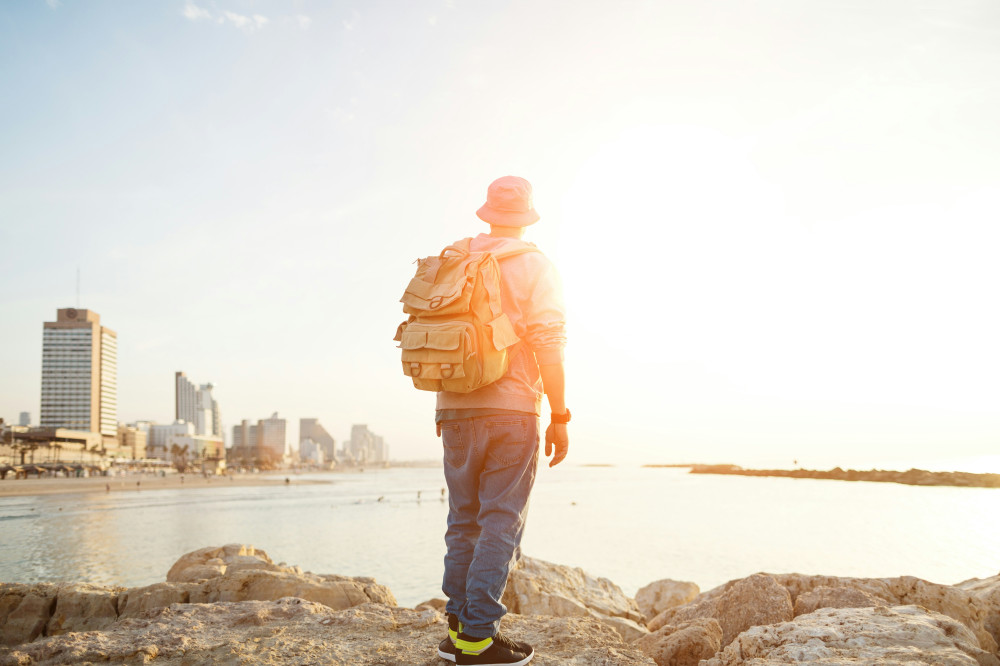
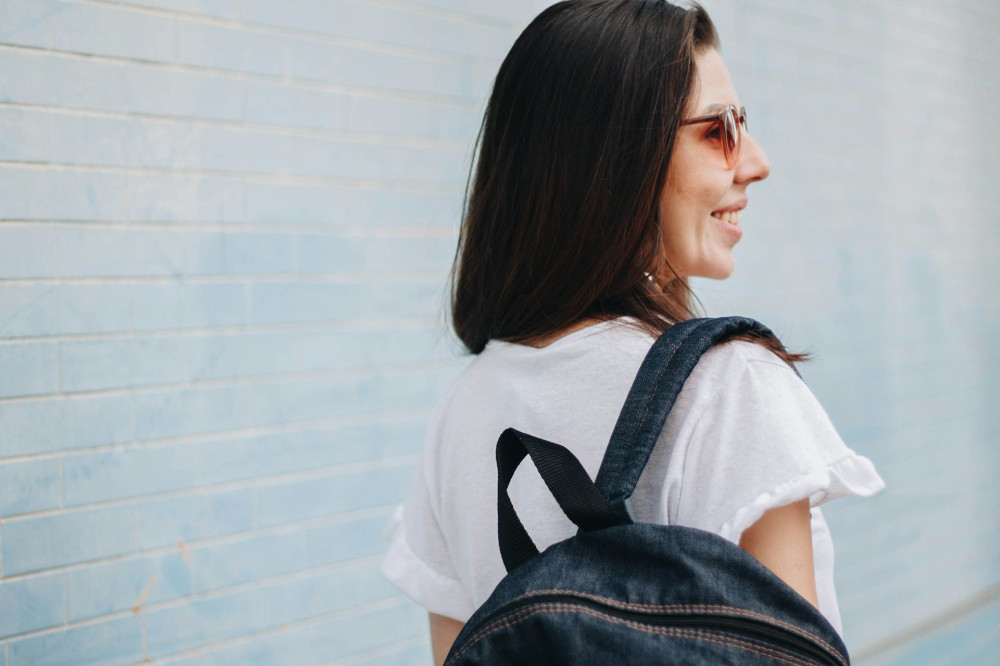
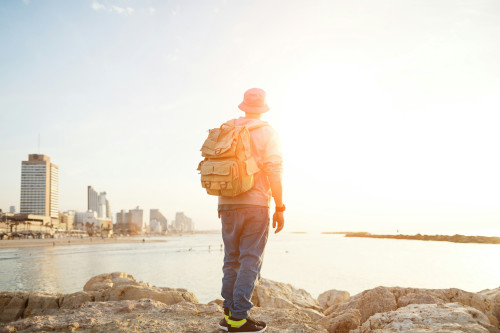
- Shoulder belts should fit snugly but not tightly. The bag should rest high on your back so the weight is evenly distributed.
- Hip belts (on larger backpacks) should carry most of the weight—not your shoulders. Fasten the belt around your hip bones, not your waist.
- Chest belts help stabilize the load, especially when you’re walking long distances. Adjust them to sit across your chest without restricting movement or breathing.
Take a few minutes to adjust your belts before you leave. A properly fitted bag can make even a heavy load feel much lighter.
Use Compression Straps to Keep Contents Secure
Compression straps are found on many backpacks and travel bags, but they’re often overlooked. They serve two key purposes:
- Keeping your items in place so they don’t shift while you move.
- Reducing bulk so your bag is more compact and easier to handle.
After packing, tighten the straps evenly on both sides. Avoid over-tightening, which can strain zippers or seams. The bag should feel firm but not rigid.
Secure Extra Gear Safely
If you’re traveling with extra gear—like a sleeping bag, jacket, or shoes—external straps can help you attach them to the outside of your bag. This saves space inside and keeps frequently used items within easy reach.
- Use D-rings or MOLLE systems (common on modern backpacks) to clip on gear.
- Keep heavier items close to your body and lower on the bag for better balance.
- Avoid hanging too many items externally, as it can make your bag unstable or snag on things.
Luggage Straps for Suitcases: Small Tools, Big Impact
When traveling with a suitcase, a simple luggage strap can be a lifesaver. It keeps your case securely closed even if the zipper fails and makes it easier to spot your bag on the carousel.
Choose a strap with adjustable length and a sturdy buckle. Some models include built-in locks or name tags—handy for frequent travelers. Make sure the strap fits snugly around your suitcase without distorting its shape.
Tame Loose Ends
Loose straps and belts can get caught in doors, escalators, or baggage conveyors—an inconvenience and a safety hazard. Roll up any excess length and secure it with elastic bands, Velcro, or a small carabiner. It keeps your setup neat, safe, and professional-looking.
Maintenance and Longevity
Straps and belts endure a lot of wear and tear. To extend their lifespan:
- Clean them regularly with a damp cloth and mild soap.
- Inspect stitching and buckles for signs of wear or cracks.
- Store your bag in a dry place to prevent mildew or stiffness.
A quick check after each trip can prevent a strap from breaking when you least expect it.
Læs også:


Small Adjustments, Big Difference
Using straps and belts effectively isn’t complicated—it’s about attention to detail. Once you master adjustment, fastening, and maintenance, your luggage becomes easier to handle, more comfortable to carry, and better protected. That means less stress on the road and more focus on the journey ahead.
Læs også: