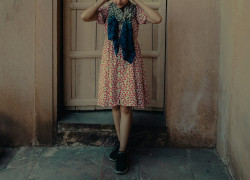
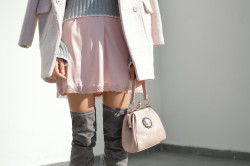
Light and Dark: Create Balance in Your Silhouette with Dress Colors


Light and Dark: Create Balance in Your Silhouette with Dress Colors
Color has a remarkable ability to shape, highlight, and balance how we appear. When it comes to dresses, it’s not just about picking a shade you love—it’s about understanding how light and dark tones interact with your body. The right color placement can create harmony in your silhouette, emphasize your best features, and give your overall look a polished, effortless feel.
The Optical Power of Color
Light and dark colors influence how we perceive shape and proportion. Dark shades—like black, navy, and deep burgundy—tend to have a slimming effect because they absorb light and make areas appear smaller. Light colors—such as ivory, blush, or pale blue—reflect light, making those areas seem larger or more prominent.
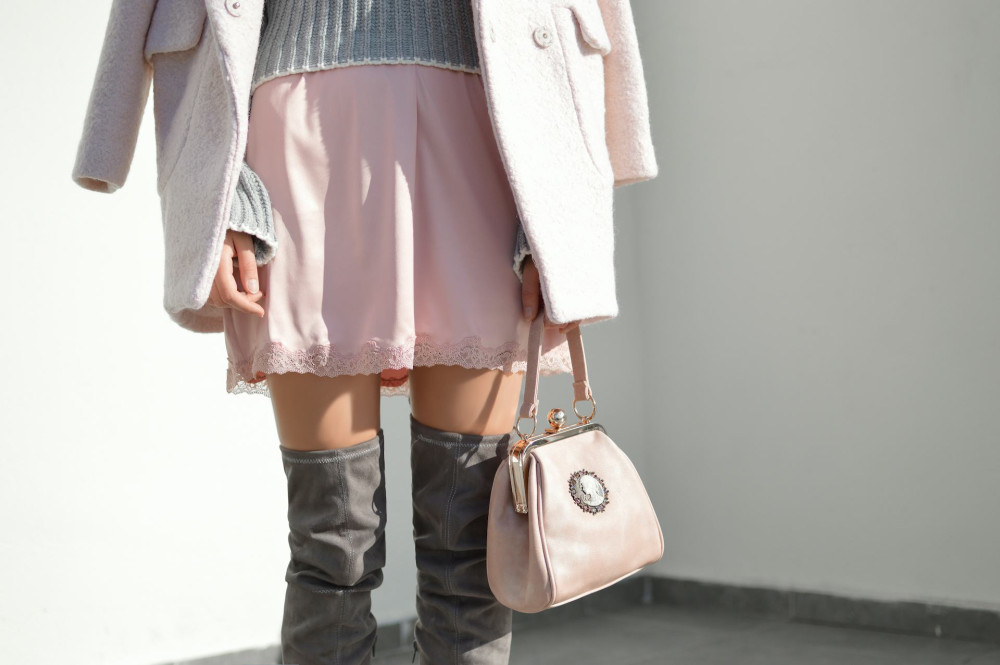
By strategically placing light and dark tones, you can visually balance your figure. If you want to draw attention upward, try a light-colored top with a darker skirt. To highlight your legs, reverse the combination with a darker top and lighter bottom.
Monochrome Looks with Depth
A single-color outfit doesn’t have to be plain. By mixing different shades of the same hue—say, soft rose, dusty mauve, and wine—you can create a sophisticated, cohesive look. The subtle variations add depth and interest while maintaining harmony.
Monochrome dressing also helps elongate the silhouette. When the eye isn’t interrupted by strong contrasts, the body appears more streamlined. To keep things visually engaging, play with texture—pair matte cotton with glossy satin or soft knit with structured leather.
Contrasts That Create Focus
Contrast is a powerful styling tool for directing attention. A dress with darker side panels and a lighter center can create the illusion of a narrower waist. Similarly, a dark dress with lighter details at the shoulders can balance proportions if you have a smaller upper body.
When working with contrast, think about the overall effect. Sharp color differences can look bold but may feel harsh, while softer transitions appear more refined. A good rule of thumb is to let one color dominate and use the other as an accent.
Color and Skin Tone: Finding Your Harmony
How a color looks on you depends on your skin tone. Warm undertones often glow in earthy shades, golden yellows, and warm reds, while cool undertones shine in blues, purples, and silvery grays. Neutral undertones can wear a wide range of colors but tend to look best in balanced, muted tones.
If you’re unsure, hold different fabrics near your face in natural light. The colors that make your skin look fresh and even are usually your best matches.
Use Accessories to Adjust the Balance
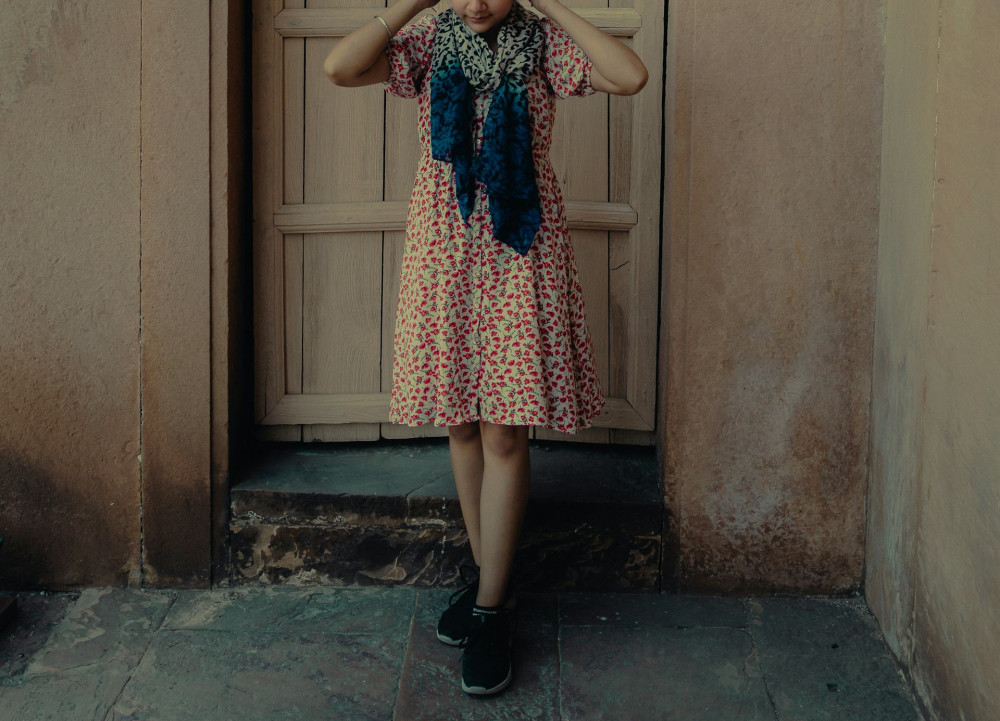
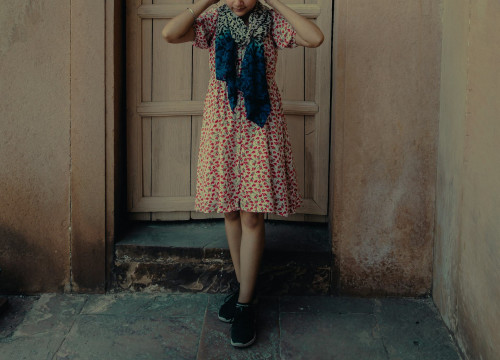
Even small color details can shift the overall impression. A belt in a contrasting shade can define your waist, while a light scarf draws attention to your face. Dark shoes or a structured bag can ground a light outfit, and metallic jewelry adds brightness and lift.
Accessories are an easy way to experiment with light and dark without overhauling your entire wardrobe.
Læs også:



Create Your Own Sense of Balance
Finding balance between light and dark isn’t about strict rules—it’s about understanding how color influences both shape and mood. Some days call for deep, moody tones; others feel right in airy, luminous hues. The key is to wear what makes you feel confident and comfortable.
When you learn to use color intentionally, your dress becomes more than just clothing—it becomes a tool for expressing your personality and creating visual harmony, no matter your body type or the occasion.
Læs også: