Slim, regular or relaxed? How to find the fit that suits you best


Slim, regular or relaxed? How to find the fit that suits you best
Finding the right fit isn’t just about comfort—it’s about style, proportion, and confidence. Whether you’re standing in front of the mirror at a department store or scrolling through an online catalog, choosing between slim, regular, and relaxed can make all the difference in how your clothes look and feel. Here’s a guide to help you find the fit that works best for you—and how to use it to build a wardrobe that feels authentic and effortless.
What do the three fits mean?
Most menswear brands in the U.S. use three main fits: slim, regular, and relaxed. They differ in how closely they follow the body and how much room they allow for movement.
- Slim fit: A close-to-the-body cut that follows your shape without being tight. It gives a modern, streamlined look and works especially well for lean or athletic builds.
- Regular fit: The classic middle ground—neither too tight nor too loose. It offers comfort, freedom of movement, and a timeless silhouette that fits most occasions.
- Relaxed fit: A looser, more casual shape that prioritizes comfort and ease. It’s popular in streetwear and casual fashion, but can also be styled in a polished way with the right pieces.
Knowing the difference helps you choose clothes that not only feel right but also look balanced and intentional.
How to choose based on body type
While trends come and go, your body shape should be the starting point when choosing a fit.
- Slim or tall: Slim fit highlights your proportions and creates a sleek outline. Avoid overly loose cuts, which can make you look smaller or less put-together.
- Medium build: Regular fit is often the most flattering choice. It balances shape and comfort, making it ideal for both work and everyday wear.
- Broad or muscular: Relaxed or slightly tailored regular fits provide room to move without feeling restrictive. Steer clear of narrow cuts that can pull across the chest or shoulders.
The key is to find clothes that follow your body’s lines without clinging—and without drowning you in fabric.
Fit is part of your style
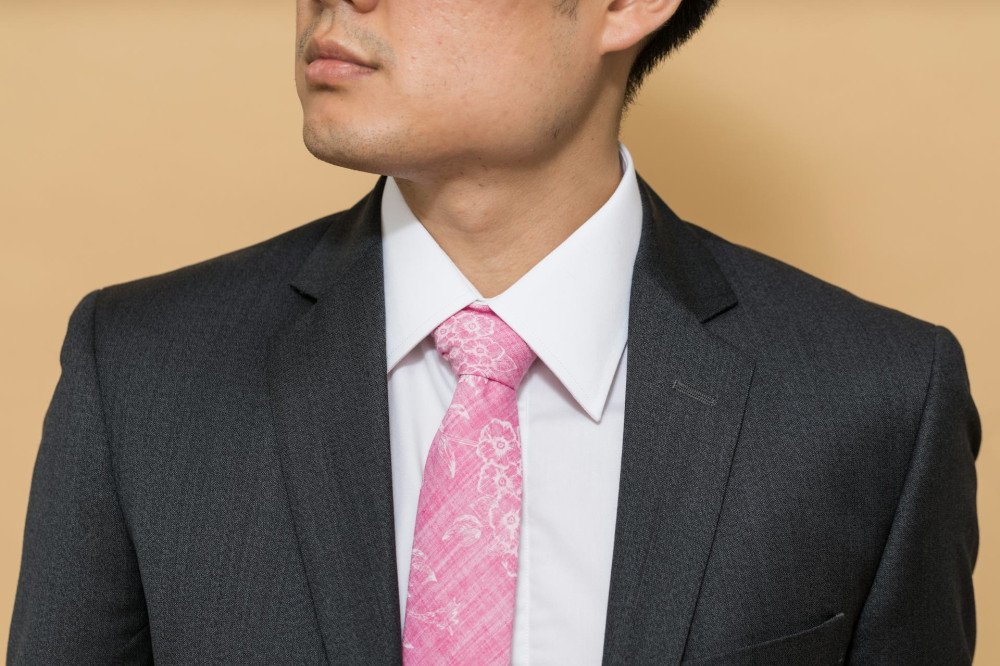
Fit doesn’t just affect how your clothes sit—it shapes the message you send. A slim-fit shirt under a blazer signals professionalism and modern taste, while a relaxed tee and loose jeans give off a laid-back, creative vibe.
Think about what you want to express in different settings:
- At the office: Regular-fit chinos and a lightly tailored shirt strike the right balance between comfort and polish.
- On the weekend: Relaxed jeans or joggers paired with a soft hoodie or overshirt create an easy, casual look.
- For a night out: A slim-fit shirt and jacket create a sharp silhouette—especially when the shoulders and chest fit just right.
By mixing fits, you can shift your look from formal to casual without overhauling your entire wardrobe.
Læs også:



Fabric and movement matter
Fit isn’t just about cut—it’s also about fabric. A slim-fit cotton shirt with a bit of stretch feels very different from one made of stiff denim or linen. Materials with elastane or spandex allow more movement, even in closer cuts.
When trying on clothes, move around: raise your arms, sit down, twist your torso. A good fit should move with you, not against you. If it feels restrictive, it’s not the right one—no matter what the label says.
Finding your personal balance
There’s no single “right” fit for everyone. Many men end up mixing styles: slim-fit shirts, regular-fit pants, and relaxed-fit outerwear. The goal is to find a balance that fits your lifestyle and personal taste.
A helpful tip: start with the pieces you already love wearing. Check the fit label and use it as a reference when shopping for new items. Over time, you’ll learn which brands and cuts suit your body best.
Fit as part of your identity
When your clothes fit well, you don’t just look better—you move differently. The right fit boosts confidence because your clothes work with you, not against you.
Whether your style leans sharp, classic, or casual, fit is the foundation that makes it all come together. It’s not just about fashion—it’s about dressing in a way that reflects who you are.
Læs også: