Wardrobe Planning: How to Make Your Outerwear Work with the Rest


Wardrobe Planning: How to Make Your Outerwear Work with the Rest
When the air turns crisp and the days grow shorter, outerwear becomes the star of your wardrobe. But a coat or jacket shouldn’t feel like an afterthought thrown over your outfit—it should complement and enhance your personal style. With a bit of planning, your outerwear can become a seamless part of your look, whether you lean toward timeless classics, casual comfort, or modern minimalism.
Start by Defining Your Style
The first step in wardrobe planning is understanding your own aesthetic. Do you prefer clean lines and neutral tones, or do you gravitate toward bold colors and patterns? Your outerwear should reflect the same vibe as the rest of your closet. Otherwise, it can feel disconnected from your overall look.
Try creating a mood board with images of outfits you love. Notice the recurring colors, shapes, and textures. This will help you identify what kind of outerwear fits naturally into your style story.
Think in Layers and Proportions
Outerwear isn’t just about warmth—it’s about balance. A long wool coat can add elegance to dresses or wide-leg trousers, while a cropped jacket highlights the waist and pairs beautifully with high-rise jeans or skirts.
Consider how your outerwear layers over what you typically wear. A lightweight trench or quilted jacket is perfect for transitional weather, while a tailored coat can slip easily over a blazer for work. Choosing versatile pieces that layer well gives you more outfit options without overcrowding your closet.
Læs også:




Color Coordination That Ties It All Together
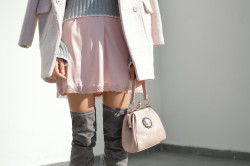
Color plays a major role in how cohesive your wardrobe feels. Neutrals like camel, navy, gray, and black are timeless because they pair effortlessly with almost anything. But if your wardrobe leans muted, a coat in forest green, burgundy, or slate blue can add depth without overwhelming your palette.
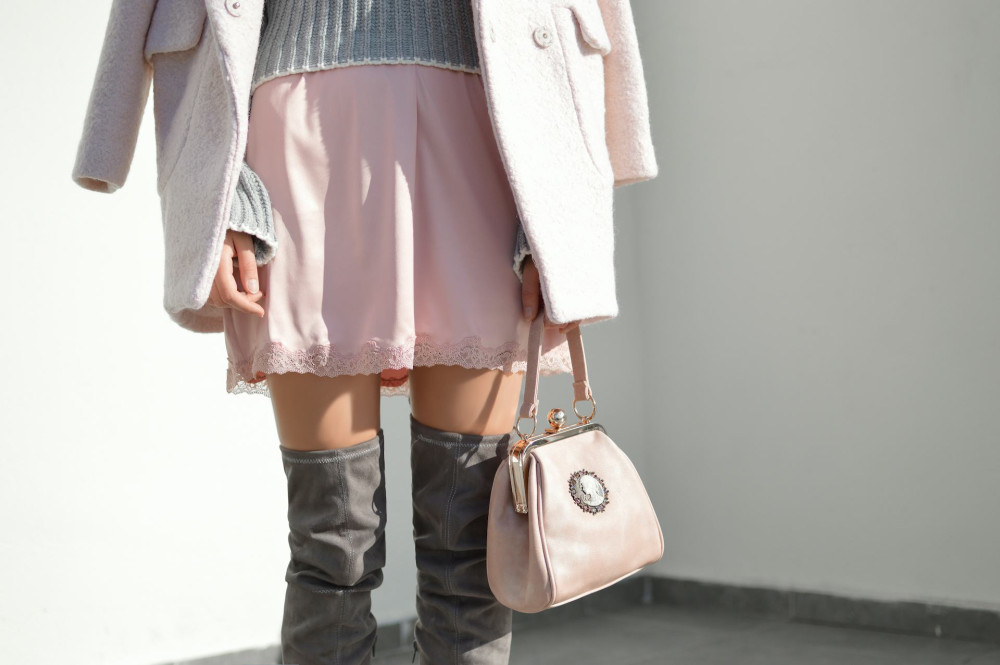
A helpful trick is to choose outerwear in a color that already appears in your wardrobe—perhaps in your shoes, handbag, or favorite scarf. This creates visual harmony and makes styling easier day to day.
Materials and Textures Matter
When planning your wardrobe, think beyond color and cut—texture adds richness and variety. A wool coat offers classic sophistication, while a leather jacket brings edge and structure. A puffer coat is practical for cold winters, but opt for one with a flattering silhouette so it still feels polished.
Mixing textures can make even simple outfits look intentional. Try pairing a sleek coat with a chunky knit sweater or a tweed jacket over a silk blouse. The contrast adds depth and visual interest.
Balancing Function and Style
The best outerwear works for your lifestyle as well as your look. Do you commute by car, walk to work, or spend weekends outdoors? A long wool coat might be elegant but less practical for rainy or snowy days—whereas a water-resistant parka or trench could be a smarter choice.
Also consider how your outerwear pairs with your shoes and bags. A structured coat looks refined with leather boots and a tote, while a sporty jacket complements sneakers and a crossbody bag. The goal is to make your outerwear feel like a natural extension of your everyday wardrobe.
Accessories That Complete the Look
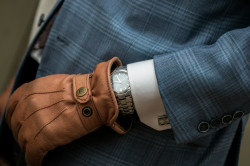
Even the simplest coat can feel fresh with the right accessories. A colorful scarf, a pair of leather gloves, or a cozy beanie can transform your outerwear and tie your outfit together. Accessories are also a great way to add variety without buying multiple coats.
Keep a few go-to sets on hand—perhaps a neutral scarf and hat for everyday wear, and a more refined set for evenings or special occasions. Small details like these can make your outerwear feel new each season.
A Wardrobe That Works as One
When your outerwear harmonizes with the rest of your wardrobe, getting dressed becomes effortless. It’s not about owning a dozen coats—it’s about choosing the right ones. With thoughtful decisions about color, fit, and fabric, you can build a wardrobe where every piece feels connected, even when the temperature drops.
Læs også: