Aesthetics Meets Responsibility: How to Create an Eco-Conscious Home Without Compromise

Aesthetics Meets Responsibility: How to Create an Eco-Conscious Home Without Compromise
A beautiful home and a sustainable home don’t have to be opposites. In fact, aesthetics and responsibility can go hand in hand when you design with care for both the planet and your own well-being. It’s not about giving up style—it’s about making mindful choices, from materials and furniture to lighting and daily habits. Here’s how to create an eco-conscious home that feels personal, warm, and inviting without sacrificing design.
Think Long-Term – Quality Over Quantity
One of the most sustainable choices you can make is to invest in quality rather than quantity. Well-made furniture and décor crafted from durable materials last longer, can be repaired, and age beautifully. This is especially true for timeless designs made from wood, steel, glass, and natural fibers that stand the test of time.
Before buying something new, ask yourself if you truly need it. Could an existing piece be refreshed with a coat of paint, new hardware, or reupholstery? By thinking in terms of renewal rather than replacement, you save resources and money—and create a home with character and history.
Give Secondhand a Central Role
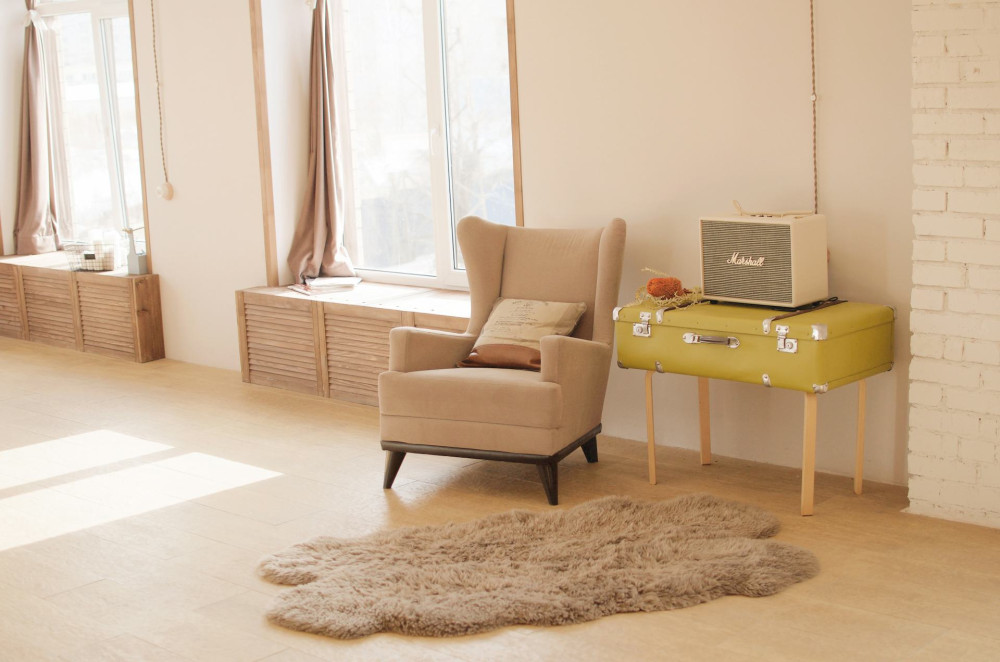
Secondhand is no longer a compromise—it’s a design statement. Thrift stores, estate sales, and online marketplaces like Facebook Marketplace or Chairish are full of unique finds that can add personality to your home. A vintage cabinet can become a focal point in your living room, and a used dining chair can be revived with a new finish or fabric.
Mixing old and new creates a dynamic contrast that makes your space feel alive. At the same time, you’re reducing demand for new production—one of the biggest environmental challenges in the home furnishings industry.
Choose Natural and Sustainable Materials
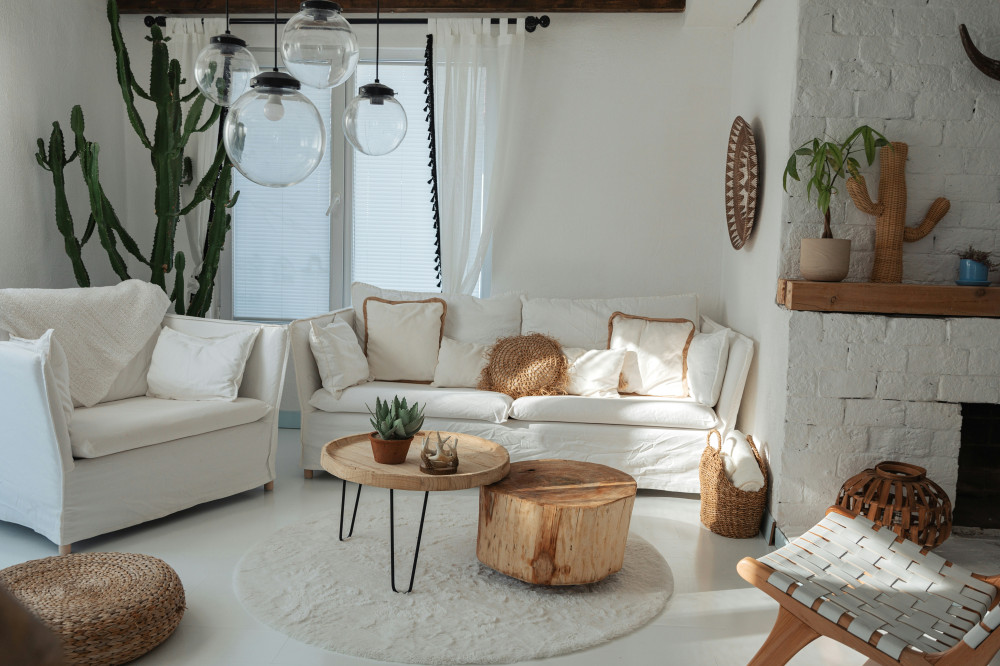
Your choice of materials has a major impact on both the environment and your indoor air quality. Look for natural materials like wood, wool, linen, bamboo, and clay. They’re renewable, biodegradable, and often free from harmful chemicals.
When buying new, check for certifications such as FSC (responsibly sourced wood), GOTS (organic textiles), or Greenguard (low chemical emissions). These labels help ensure that products meet environmental and ethical standards.
Whenever possible, support local makers and small businesses. Buying locally made furniture or décor reduces transportation emissions and supports craftsmanship in your community.
Light, Air, and Energy – Finding Everyday Balance
An eco-conscious home is also about how you use energy. Make the most of natural light by placing work areas near windows and choosing light curtains that let daylight in. Switch to LED bulbs and use dimmers to adjust brightness as needed.
Ventilation and air quality matter, too. Houseplants aren’t just decorative—they can help purify the air and create a sense of calm. Try low-maintenance varieties like peace lilies, rubber plants, or snake plants.
Small daily habits can make a big difference: run full loads in your washer, lower your thermostat a few degrees, and cover pots while cooking. These simple actions save both energy and money.
Læs også:



Colors and Textures with Intention
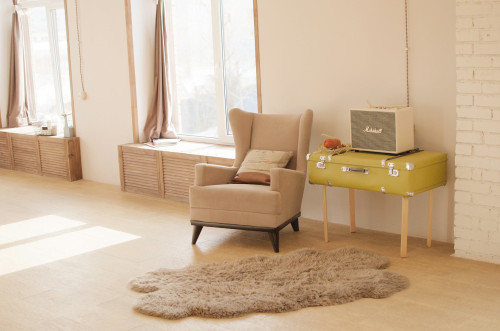
Color influences how we feel in a space. In an eco-conscious home, you can use color to create harmony and calm without losing visual interest. Earth tones, greens, and muted shades bring a natural, grounded atmosphere.
When painting, choose low-VOC or zero-VOC paints to reduce indoor air pollution. They’re better for both your health and the environment. You can also experiment with limewash or natural pigments for a more organic, textured look.
Create a Home That Tells Your Story
An eco-conscious home isn’t just about materials and energy use—it’s about authenticity. When you surround yourself with things that have meaning and that you’ve chosen thoughtfully, your home becomes more than a place to live. It becomes a reflection of your values.
Let your choices tell your story: heirlooms, handmade pieces, or travel finds can all add depth and soul. It’s the combination of aesthetics and responsibility that makes a home truly alive and sustainable.
Small Steps, Big Impact
Creating an eco-conscious home is a journey, not a race for perfection. Start with what feels manageable—maybe one room at a time or a single focus area like lighting or textiles. Every small change counts.
When aesthetics meet responsibility, a new kind of beauty emerges—one that’s not only about how your home looks, but how it feels to live in it.
Læs også: