Beauty in the Age of Technology: How Innovation Is Transforming the Production of Beauty Products

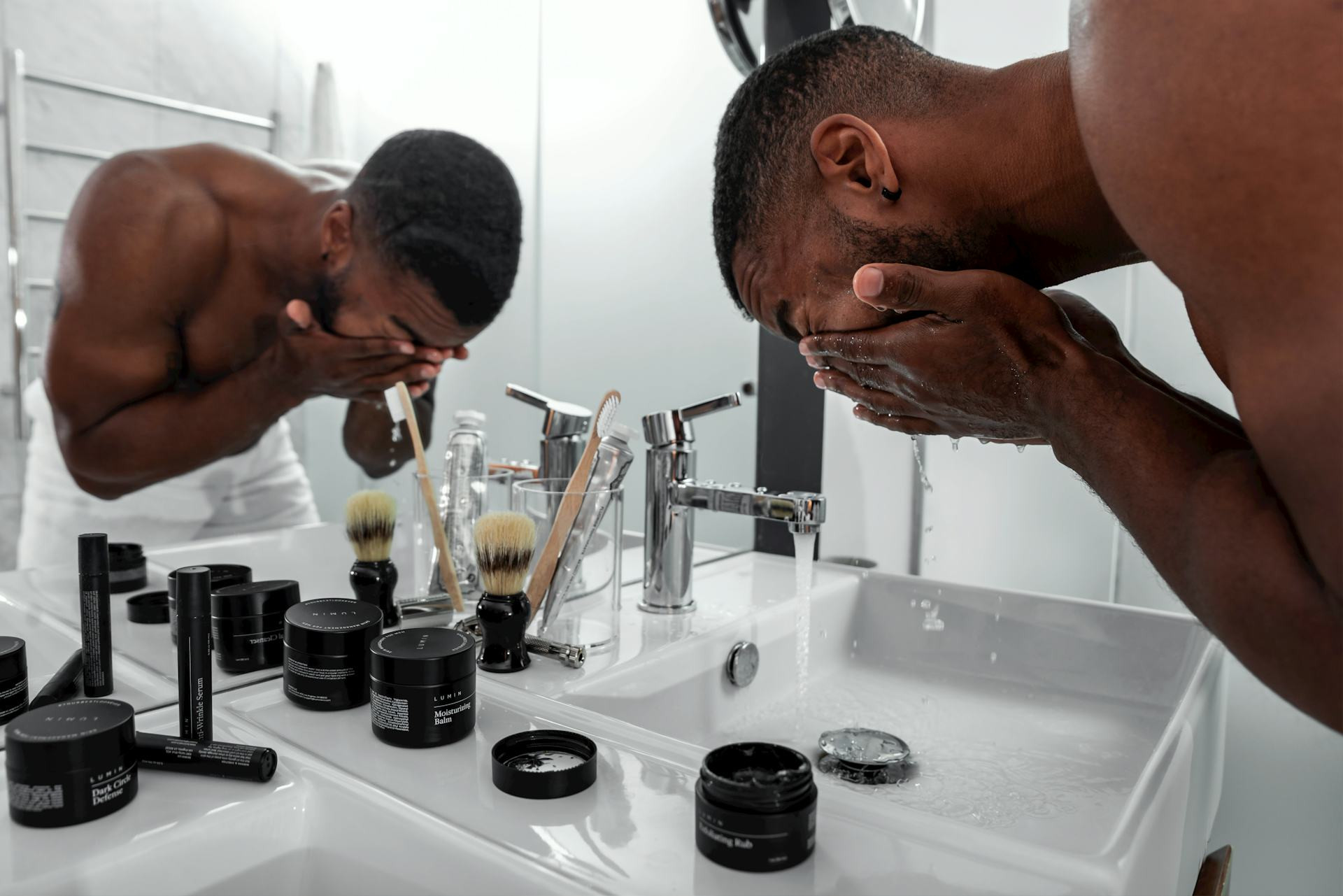
Beauty in the Age of Technology: How Innovation Is Transforming the Production of Beauty Products
The beauty industry has always evolved with the times—from ancient herbal remedies to the glamour of Hollywood and the rise of global cosmetics brands. But in recent years, innovation has accelerated at an unprecedented pace. Artificial intelligence, biotechnology, and sustainable manufacturing are reshaping not only how beauty products are made but also how consumers experience them. Today, innovation is less about new shades and scents and more about science, data, and responsibility.
From the Lab to the Vanity – Technology Takes the Lead
In the past, developing a new cream or shampoo relied heavily on chemistry and years of trial and error. Now, algorithms and advanced sensors help researchers identify the most effective ingredients and combinations. Artificial intelligence can analyze thousands of formulas and predict how they will interact with different skin types—long before a product is physically tested.
At the same time, 3D printing and automated production make it possible to create small, customized batches. In the near future, you might be able to order a foundation that matches your exact skin tone or a hair treatment designed from a digital analysis of your hair’s structure. This shift from mass production to personalization is redefining what “beauty for all” really means.
Personalized Beauty – Data as the New Ingredient
One of the most striking trends in the beauty industry is personalization. Where consumers once chose between “dry,” “oily,” or “combination” skin, they can now access products tailored to their unique biology. Through apps, skin scanners, and even DNA-based tests, companies can collect data on everything from hydration levels to genetic predispositions for aging.
These insights allow brands to create products that deliver more precise results and a deeper sense of individuality. But they also raise important questions about privacy and ethics—how much personal data should one share in the pursuit of perfect skin? In the U.S., where data protection laws are still evolving, this balance between innovation and privacy is becoming a central conversation in the beauty tech space.
Læs også:
Sustainability and Biotechnology – Where Nature Meets Science
Technology’s role in beauty isn’t just about performance; it’s also about responsibility. American consumers are increasingly demanding products that are sustainable, cruelty-free, and free from harmful chemicals. Biotechnology is emerging as a key solution.
By cultivating ingredients in labs—such as hyaluronic acid, collagen, or plant-based oils—companies can reduce agricultural impact, lower carbon emissions, and prevent overharvesting of natural resources. Lab-grown ingredients also ensure consistent quality and traceability, something that’s difficult to achieve with traditional sourcing.
Major U.S. brands are also experimenting with refill systems and recyclable packaging, using digital tracking to monitor materials throughout their life cycle. The result is a more transparent and circular approach to beauty consumption.
Virtual Beauty – When the Mirror Goes Digital
Technology has also transformed how Americans shop for beauty. Virtual try-on tools and augmented reality (AR) apps allow users to test makeup directly on their screens before buying. Using facial recognition and lighting analysis, these tools show how a lipstick or eyeshadow will look in real life—without ever opening a tester.
For consumers, this creates a fun, interactive shopping experience. For brands, it reduces waste and returns. The rise of virtual beauty also blurs the line between the physical and digital worlds, giving rise to new forms of self-expression—from virtual makeup filters to digital avatars wearing branded looks.
The Future of Beauty – Balancing Science and Sensation
Even as technology takes center stage, beauty remains deeply human. It’s about emotion, identity, and self-expression. The challenge for the industry will be to balance technological precision with sensory pleasure. After all, no algorithm can replace the feeling of a favorite fragrance, the texture of a cream, or the quiet ritual of getting ready in the morning.
The future of beauty will likely be more personalized, more sustainable, and more connected than ever before. Yet it will continue to remind us that beauty—in any age, technological or otherwise—begins with curiosity, creativity, and a sense of self.
Læs også: