Release Tension: Achieve a Calm Face with Breathing and Relaxation


Release Tension: Achieve a Calm Face with Breathing and Relaxation
A calm face doesn’t start with skincare products or cosmetic treatments—it starts from within. Our facial muscles mirror how we feel, and tension in the jaw, forehead, and around the eyes often reflects stress, worry, or a busy lifestyle. The good news is that with simple breathing techniques and mindful relaxation, you can ease that tension and bring a peaceful expression back to your face.
The Body’s Mirror: When Emotions Show on Your Face
We use our faces to express ourselves—but also to hold things in. Clenched jaws, furrowed brows, and tight lips are often signs that the body is coping with pressure. Over time, these small tensions can become chronic, leading to fatigue, headaches, and a strained appearance.
Awareness is the first step. Notice how your face feels throughout the day: Is your jaw tight? Is your tongue pressed against the roof of your mouth? Are your eyebrows drawn together even when you’re not thinking about it? Simply paying attention helps you begin to release what’s been held.
Breathing as a Tool for Calm
When we’re stressed, our breathing becomes shallow and quick. This signals the body to stay on alert, which tightens muscles even more. Deep, slow breathing activates the body’s natural relaxation response and helps the face soften.
Try this simple exercise:
- Sit comfortably with your back straight and shoulders relaxed.
- Close your eyes and inhale slowly through your nose for four seconds.
- Hold your breath briefly, then exhale gently through your mouth for six seconds.
- Repeat for a few minutes, noticing how your face gradually releases tension.
You can do this anywhere—at your desk, in your car, or before bed. It’s not about perfection; it’s about giving your body permission to unwind.
Relaxing the Facial Muscles
Along with breathing, you can consciously relax the muscles that tend to hold stress. A short daily routine can make a big difference:
- Jaw: Open your mouth slightly and move your lower jaw gently from side to side. Feel the muscles loosen.
- Forehead: Place your fingertips in the center of your forehead and slowly smooth them outward toward your temples. Repeat several times.
- Eyes: Close your eyes and let them rest behind your eyelids. Imagine “smiling” with your eyes—without moving your mouth.
- Cheeks: Take a deep breath, puff your cheeks lightly, and release the air slowly. This helps relax the area around your mouth.
These small movements may seem simple, but they signal to your nervous system that it’s safe to relax.
Create Small Pauses in Your Day
A calm face isn’t just about exercises—it’s about rhythm. Many of us move from one task to the next without taking a real breath. Try adding short pauses throughout your day: stop, close your eyes, and take three deep breaths. It takes less than a minute but can shift your entire sense of balance.
You can also pair your breathing with brief mindfulness moments: feel your feet on the floor, your shoulders dropping, and your face softening. The more often you do this, the easier it becomes for your body to return to calm.
Læs også:

A Natural Lift from Within
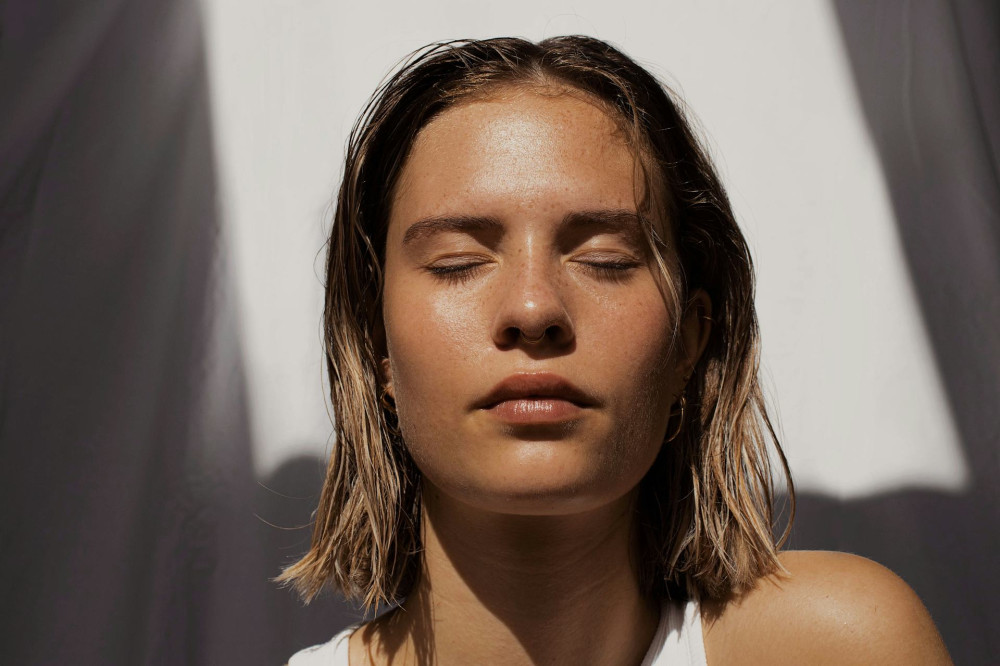
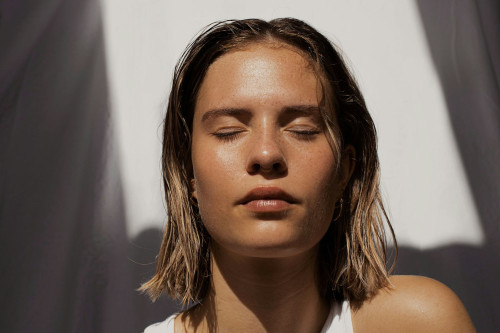
When your face relaxes, your expression changes. Your eyes appear brighter, your skin gains a healthy glow, and your jawline softens. It’s not magic—it’s physiology. Muscles that aren’t constantly tense allow better blood flow, giving your skin more oxygen and nutrients.
Relaxation benefits both your mind and your appearance. A calm face radiates warmth and balance—something no cream can replace.
Make It a Habit
Like any new practice, releasing tension takes time and consistency. Start with just a few minutes a day and build from there. You might pair your breathing exercises with your morning routine or use them to unwind before sleep.
The key is patience and kindness toward yourself. Tension that’s built up over time won’t disappear overnight—but with regular attention, you’ll feel your body and face settle into a new sense of ease.
Læs også: