From Workwear to Fashion Icon: The Journey of Jeans Through Time

From Workwear to Fashion Icon: The Journey of Jeans Through Time
From the dusty gold mines of California to the runways of New York and Paris, few garments have traveled as far—or meant as much—as a pair of jeans. What began as rugged workwear for miners and cowboys has become a global fashion staple, worn by people of every age, background, and style. But how did denim pants evolve from practical necessity to cultural icon?
From the Gold Rush to Blue Denim
The story of jeans begins in mid-19th-century America. During the California Gold Rush, miners needed clothing tough enough to withstand long days of digging and hauling. Levi Strauss, a German-born merchant in San Francisco, saw an opportunity. Working with tailor Jacob Davis, he created durable pants made from a sturdy cotton fabric known as denim. To make them even stronger, Davis added metal rivets at stress points—and in 1873, the two men patented what would become the first pair of blue jeans.
These hard-wearing trousers quickly became the uniform of the American working class—worn by miners, railroad workers, and cowboys alike. They were affordable, practical, and built to last, perfectly suited to the demands of frontier life.
From Work Uniform to Youth Symbol
For decades, jeans remained the clothing of laborers. But after World War II, returning soldiers brought them home as casual wear, and a new chapter began. In the 1950s, jeans became a symbol of youthful rebellion. Hollywood helped cement their cool factor—actors like James Dean and Marlon Brando wore them in films that defined a generation. Suddenly, jeans weren’t just for work; they were for anyone who wanted to challenge the rules.
Parents frowned, schools banned them, and teenagers lined up to buy them. Denim had become a statement of independence and defiance—a distinctly American attitude stitched into every seam.
Fashion Discovers Denim
By the 1960s and 70s, jeans had gone global. They were embraced by hippies, rock stars, and activists as a canvas for self-expression—embroidered, patched, and personalized. Denim became a symbol of freedom and creativity, transcending class and culture.
Then came the 1980s, when high fashion took notice. Designers like Calvin Klein, Gloria Vanderbilt, and Versace transformed jeans into luxury items. Sleek cuts, designer labels, and provocative ad campaigns turned denim into a fashion essential. What had once been a symbol of rebellion was now a mark of style and sophistication.
Læs også:



From Cowboy to Catwalk
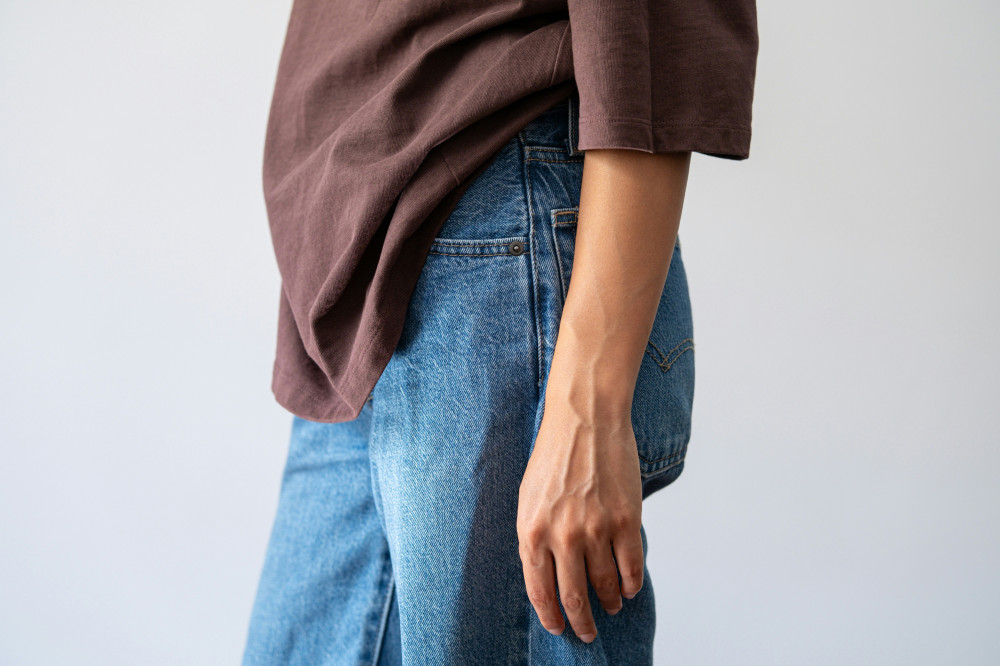
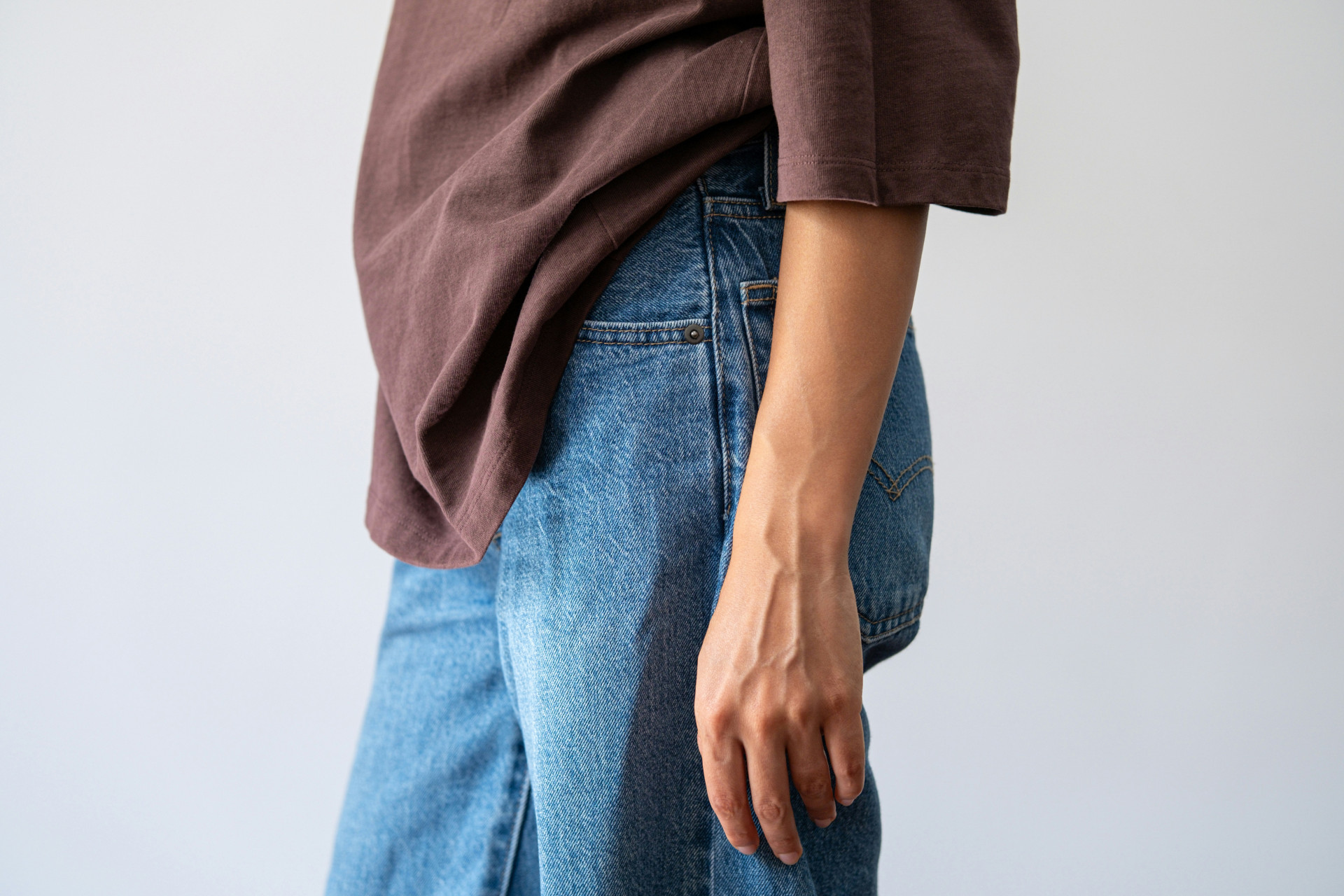
Today, jeans come in countless styles—skinny, straight, bootcut, wide-leg, distressed, or tailored. They can be dressed up with heels and a blazer or worn casually with sneakers and a T-shirt. From construction sites to red carpets, jeans have proven their versatility and staying power.
In recent years, sustainability has become a key focus. Brands are experimenting with organic cotton, recycled fibers, and water-saving dyeing techniques. The future of denim is not just about looking good—it’s about doing good, too.
A Piece of American Culture We All Wear
Jeans are more than just pants; they’re a piece of American history. They tell the story of hard work, innovation, and cultural change. They’ve represented both the working class and high fashion, rebellion and conformity, individuality and unity. Whether faded, ripped, or freshly pressed, every pair carries a bit of that story.
From the goldfields of the 1800s to the fashion capitals of today, jeans have proven one thing beyond doubt: true classics never go out of style—they simply evolve with the times.
Læs også: