Structure and Shine – How Fabric Influences the Visual Expression of Pants

Structure and Shine – How Fabric Influences the Visual Expression of Pants
When choosing a pair of pants, most of us focus first on fit and color. But the fabric itself plays an equally important role in how the pants look—and how they feel when worn. The texture, weave, and sheen of a material shape not only the visual impression but also the way the garment drapes and moves. In this article, we’ll explore how fabric defines the aesthetic of pants—from matte cotton twills to lustrous wool blends and sleek synthetics.
Texture: The Character of the Surface
Texture refers to how a fabric feels and appears on the surface. It can be smooth, coarse, dense, loose, shiny, or matte—and each quality communicates something different.
- Smooth fabrics such as twill, satin, or fine wool create a polished, refined look. They reflect light evenly, giving pants a sleek and formal appearance.
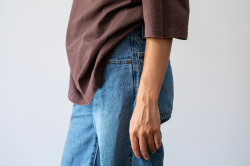
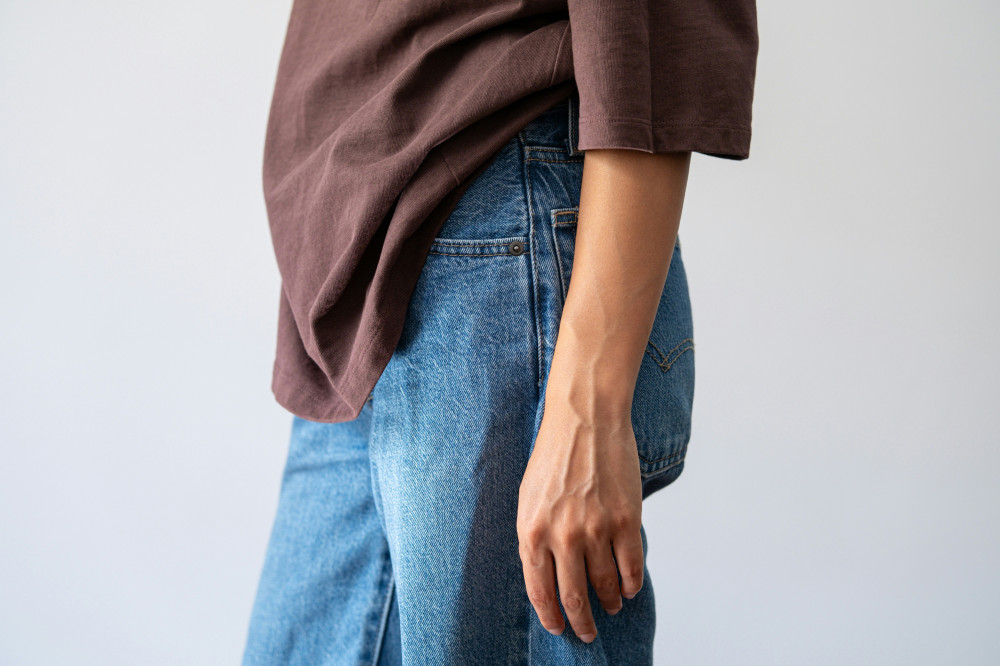
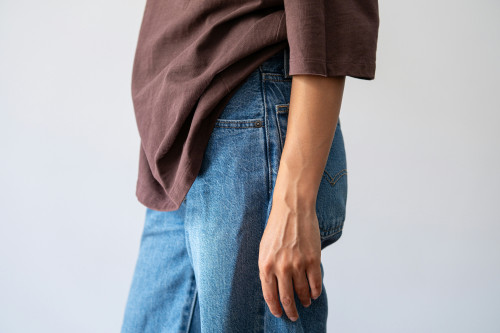
- Textured fabrics like denim, canvas, or corduroy have a more casual, tactile quality. They scatter light and add depth to color, resulting in a relaxed and dynamic expression.
- Stretch materials such as cotton blends with elastane or viscose add comfort and flexibility but also influence how the fabric hugs or drapes around the body.
Texture affects not only the look but also the movement and comfort of the pants. A pair of structured cotton chinos will hold its shape, while a soft viscose blend will flow more freely with motion.
Læs også:

Shine: The Play of Light on Fabric
Shine—or luster—is one of the most noticeable aspects of a material. It depends on the fiber’s surface and the tightness of the weave. Shine can make pants appear more luxurious, but it also changes how we perceive color and form.
- Matte fabrics like cotton and wool absorb light, creating a calm, understated look. They’re ideal for everyday wear and classic tailoring.
- Shiny fabrics such as satin, polyester, or certain wool finishes reflect light and bring a sense of energy or sophistication. They highlight movement and make pants stand out visually.
Shine can also be used strategically. A subtle sheen can deepen dark tones, while matte surfaces soften bright colors. Designers often play with the contrast between matte and glossy materials to add visual interest to an outfit.
Weave: The Structure Beneath the Surface
The weave—the way threads interlace—has a major impact on both texture and shine. A tight weave produces a smooth, compact fabric, while a looser weave results in a softer, more fluid drape.
- Twill weave, found in denim and chinos, creates diagonal lines and a sturdy structure.
- Satin weave produces a glossy, smooth surface often used in dressier pants.
- Plain weave, common in canvas or linen, gives a balanced, matte appearance suited for casual styles.
The weave also affects durability and shape retention. Tighter weaves resist wrinkles and maintain form, while looser ones lend a relaxed, natural silhouette.
The Designer’s Balance: Combining Texture and Shine
Fashion designers carefully balance texture and shine to evoke specific moods. A pair of matte wool trousers might convey professionalism and tradition, while glossy satin pants suggest celebration and boldness. Even subtle variations—a brushed finish or a faint shimmer in the fibers—can transform the overall impression.
Modern fashion often blends materials to achieve harmony: a touch of synthetic fiber in wool for added sheen and stretch, or cotton mixed with linen for a more organic texture. The goal is to find the intersection where comfort, function, and aesthetics meet.
Choosing Fabric for the Look You Want
When selecting pants, consider what kind of expression you want to project:
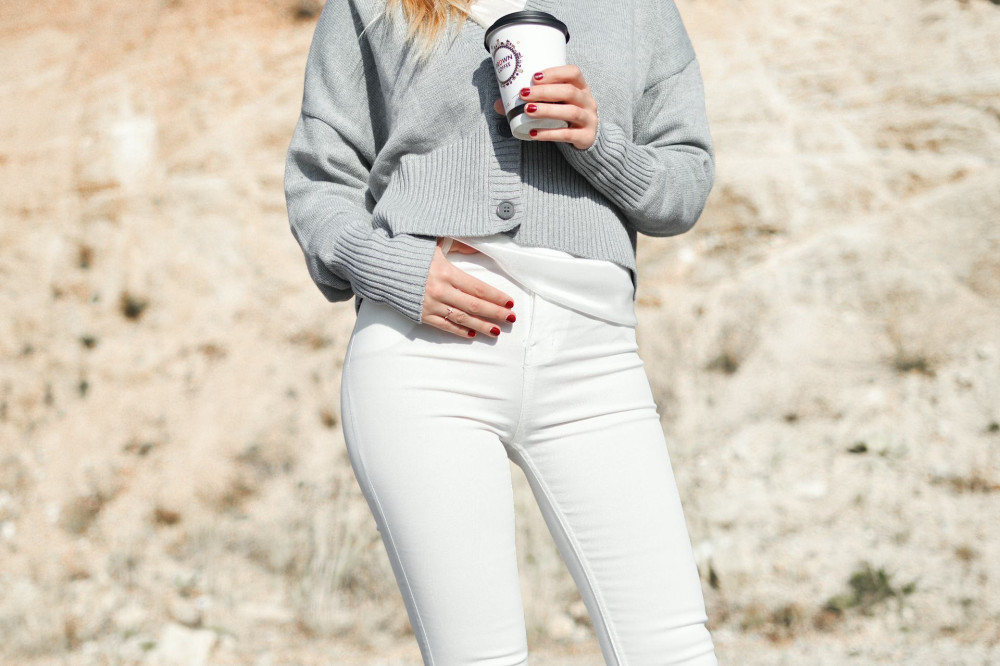
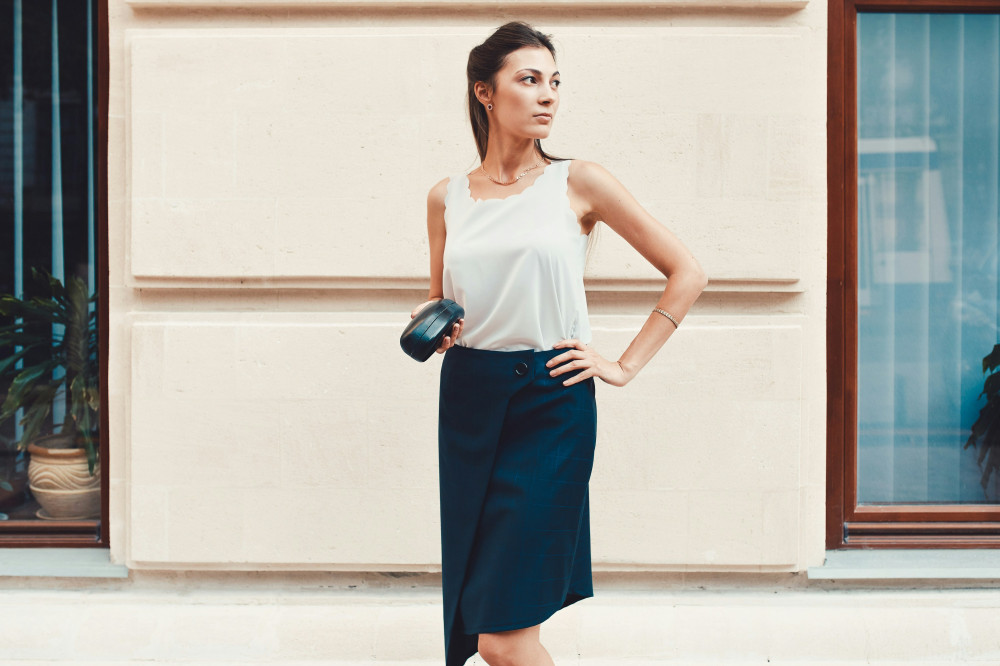
- For work or formal occasions: choose smooth, matte fabrics like wool or tightly woven cotton.
- For everyday wear: denim, canvas, or textured cotton blends offer a relaxed yet put-together look.
- For evening or special events: fabrics with sheen—such as satin, silk, or refined synthetics—add elegance and movement.
Understanding the role of fabric helps you choose pants that fit not only your body but also your style and mood.
Fabric as the Foundation of Style
The essence of a pair of pants begins with its fabric. Texture and shine are not just technical details—they’re aesthetic tools that shape how we perceive clothing and ourselves in it. Next time you try on a pair, take a moment to notice: Is the surface smooth or textured? Does it catch the light or absorb it? The answers reveal more about your style than you might expect.
Læs også: